
Introduction
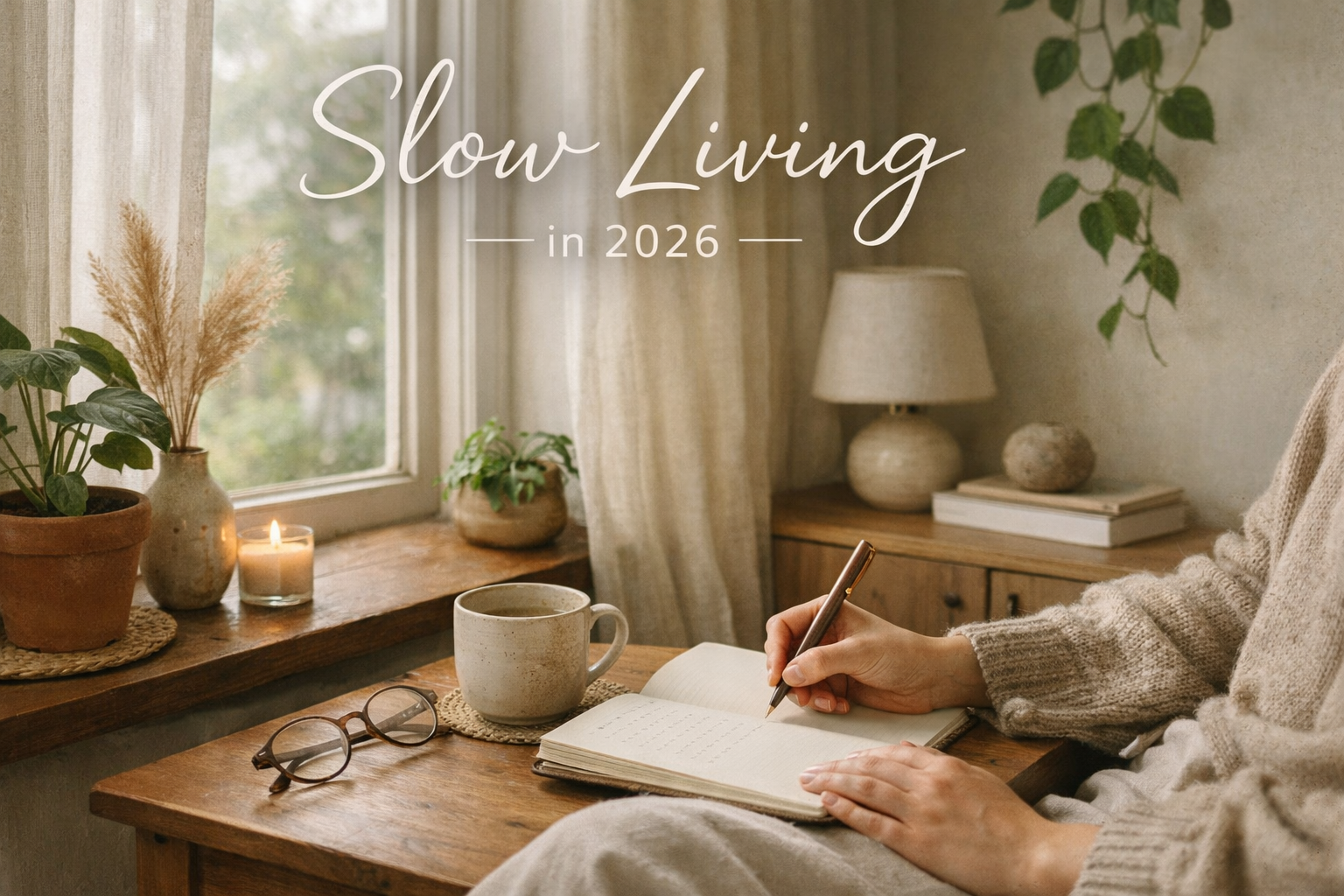
In a world that feels increasingly fast-paced and digitally overwhelming, slow living has emerged as a powerful lifestyle movement in 2026. Constant notifications, endless work demands, and social pressure to always be productive have left many people feeling stressed and disconnected. Slow living offers a mindful alternative, encouraging individuals to focus on intention, balance, and well-being rather than speed and constant achievement.
Slow living is not about doing less or rejecting modern life. Instead, it is about creating space for what truly matters, living with purpose, and building a life that feels calm, fulfilling, and aligned with personal values.
Understanding the Philosophy of Slow Living
Slow living is rooted in mindfulness, simplicity, and intentional decision-making. In 2026, it represents a conscious choice to slow down daily routines, reduce unnecessary stress, and prioritize mental and emotional health. The philosophy encourages people to be present in the moment rather than rushing toward the next goal.
By focusing on quality over quantity, slow living shifts attention away from constant consumption and external validation. It invites individuals to reconnect with themselves, their surroundings, and meaningful relationships.
The Impact of Digital Overload in Modern Life
Digital technology has transformed how people work, communicate, and relax, but it has also contributed to mental fatigue. In 2026, screen time is at an all-time high, making digital overload a major challenge to balance and peace. Slow living emphasizes conscious technology use rather than complete disconnection.
Setting boundaries with digital devices, limiting notifications, and creating screen-free moments help restore mental clarity. This mindful approach allows technology to support life rather than dominate it.
Creating a Slow and Intentional Daily Routine
A balanced life begins with intentional routines. In 2026, slow living encourages people to design daily schedules that allow for rest, reflection, and meaningful activities. Morning rituals, unhurried meals, and time for personal interests create a sense of calm and stability.
Rather than multitasking, slow living promotes doing one thing at a time with full attention. This approach increases productivity while reducing stress and mental exhaustion.
Mindful Work and Redefining Productivity
Work culture has evolved significantly, with remote and hybrid models becoming the norm in 2026. Slow living challenges traditional definitions of productivity by valuing focus and well-being over constant busyness. Mindful work practices encourage regular breaks, realistic workloads, and clear boundaries between professional and personal life.
By working with intention and purpose, individuals can achieve better results while maintaining mental and emotional balance. Slow productivity leads to sustainable success rather than burnout.
Simplifying Living Spaces for Mental Clarity
Physical environments have a strong impact on mental well-being. In 2026, slow living encourages decluttering and creating living spaces that promote calm and comfort. Simple, functional design choices help reduce visual noise and support relaxation.
A well-organized and thoughtfully designed space allows individuals to feel grounded and at ease. Minimalism, natural elements, and soft lighting contribute to a peaceful home environment that supports slow living principles.
Nourishing the Body Through Conscious Eating
Food plays an essential role in slow living. In 2026, mindful eating emphasizes quality, nourishment, and enjoyment rather than convenience and speed. Preparing meals at home, choosing wholesome ingredients, and eating without distractions help strengthen the mind-body connection.
This approach encourages a healthier relationship with food while promoting physical well-being. Eating slowly and intentionally turns meals into moments of self-care and appreciation.
Strengthening Relationships Through Presence
Slow living prioritizes meaningful connections over constant social engagement. In 2026, people are choosing deeper relationships built on presence, empathy, and shared experiences. Spending quality time with loved ones without digital distractions strengthens emotional bonds.
By listening actively and being fully present, individuals cultivate more fulfilling relationships. Slow living reminds us that genuine connection cannot be rushed.
Mental Health and Emotional Well-Being
Mental health awareness has grown significantly, and slow living plays a vital role in emotional well-being. In 2026, practices such as meditation, journaling, and mindfulness are widely embraced as tools for managing stress and anxiety.
Slow living encourages self-compassion and acceptance, allowing individuals to acknowledge emotions without judgment. This gentle approach fosters inner peace and emotional resilience.
Connecting with Nature for Inner Balance
Nature remains a powerful source of calm and inspiration. Slow living in 2026 emphasizes spending time outdoors, whether through walking, gardening, or simply observing natural surroundings. Nature helps ground the mind and reduce stress caused by modern life.
Regular interaction with nature encourages mindfulness and restores a sense of balance. It serves as a reminder to slow down and appreciate the present moment.
Building a Sustainable and Purpose-Driven Life
Slow living aligns closely with sustainability and conscious consumption. In 2026, individuals are making thoughtful choices about what they buy, how they live, and the impact they have on the environment. This intentional lifestyle supports both personal well-being and global responsibility.
Living slowly encourages purpose-driven decisions that reflect personal values. It transforms everyday actions into meaningful expressions of care and awareness.
Conclusion
Slow living in 2026 offers a pathway to balance, peace, and fulfillment in a fast-moving world. By embracing mindfulness, simplifying routines, nurturing relationships, and redefining productivity, individuals can create lives that feel calmer and more meaningful. Slow living is not about escape but about presence, intention, and harmony.
As modern life continues to evolve, choosing to slow down becomes a powerful act of self-care. By living intentionally, people can rediscover joy, clarity, and peace in the everyday moments that truly matter.