
Introduction
Travel has always been about discovery, but in the digital age, the way people explore the world has changed dramatically. Technology has transformed travel from a process filled with uncertainty into a smarter, more connected, and highly personalized experience. From planning trips to navigating destinations, digital tools are reshaping every stage of the travel journey.
Smart travel is no longer limited to tech-savvy travelers. In today’s world, technology empowers everyone to travel more efficiently, safely, and meaningfully. As digital innovation continues to evolve, travel is becoming more accessible, informed, and immersive than ever before.
Digital Planning and Smarter Trip Preparation
Technology has revolutionized the way travelers plan their journeys. Online platforms now allow users to research destinations, compare prices, read reviews, and book accommodations and transportation within minutes. Artificial intelligence analyzes preferences and past behavior to suggest tailored itineraries and travel options.
This level of digital planning reduces stress and uncertainty while saving time and money. Travelers can make informed decisions and customize trips to match their interests, budgets, and schedules with ease.
Mobile Apps as Travel Companions
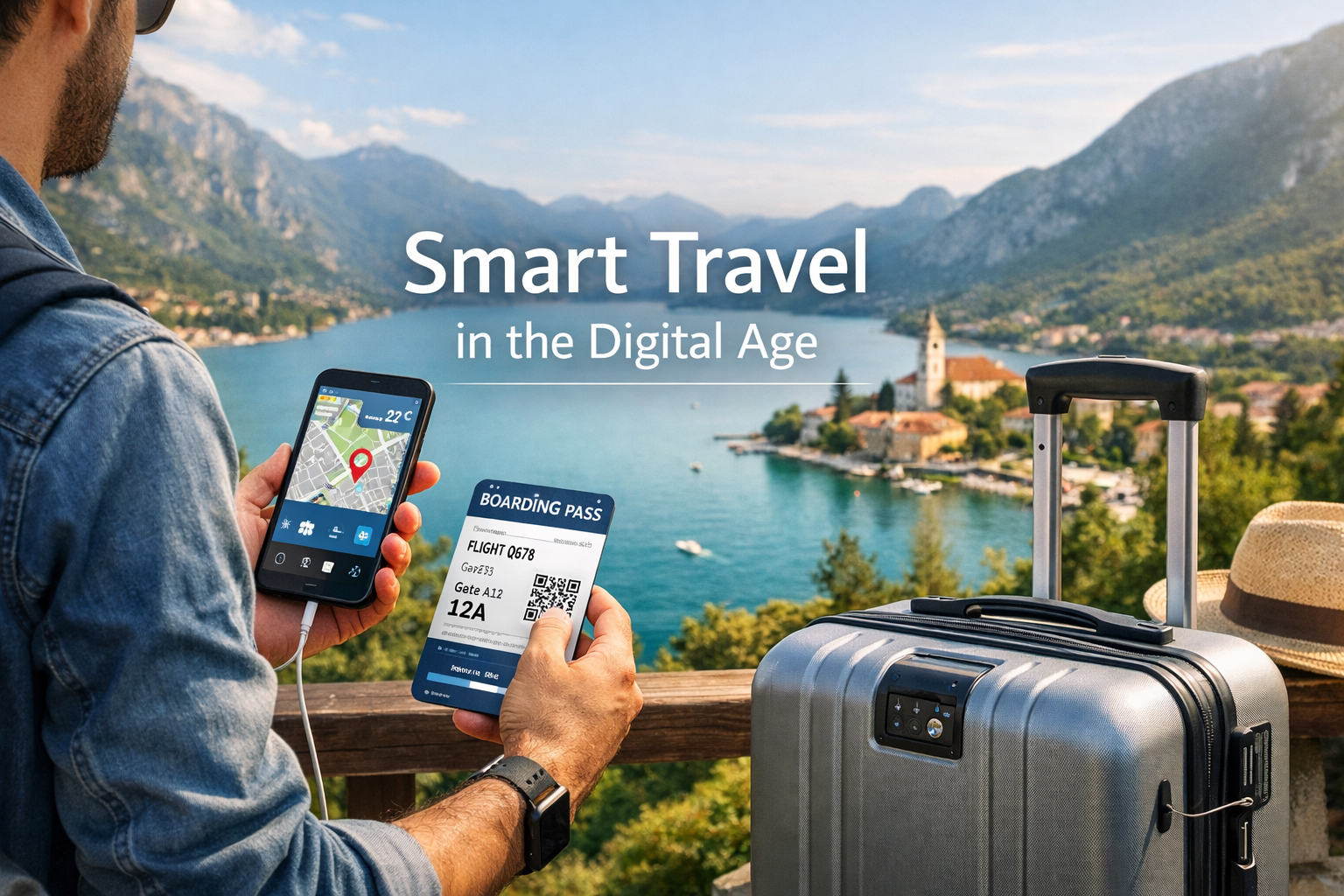
Smartphones have become essential travel companions in the digital age. Travel apps provide real-time access to maps, boarding passes, hotel reservations, and local recommendations. With everything stored digitally, travelers no longer need to rely on paper documents or physical guides.
Mobile technology also enables instant updates on flight changes, weather conditions, and local events. This real-time information helps travelers adapt quickly and make smarter decisions on the go.
Artificial Intelligence Enhancing Travel Experiences
Artificial intelligence plays a major role in smart travel by personalizing experiences and improving efficiency. AI-powered chatbots assist travelers with bookings, customer support, and itinerary changes around the clock. Recommendation systems suggest attractions, restaurants, and activities based on individual preferences.
AI also helps travel companies optimize routes, manage demand, and improve customer service. As a result, travelers enjoy smoother journeys and more personalized experiences throughout their trips.
Smart Navigation and Location-Based Services
Navigation technology has transformed how travelers explore new destinations. GPS-enabled maps provide accurate directions, traffic updates, and alternative routes in real time. Location-based services offer nearby attractions, dining options, and services based on a traveler’s current location.
These tools make it easier to explore unfamiliar places confidently. Travelers can discover hidden spots, avoid congestion, and maximize their time without feeling lost or overwhelmed.
Contactless and Cashless Travel Experiences
The digital age has introduced contactless and cashless travel experiences that improve convenience and safety. Digital payments, mobile wallets, and contactless check-ins streamline transactions across airports, hotels, and local businesses.
This shift reduces the need to carry cash or physical cards, making travel more secure and efficient. Contactless technology also enhances hygiene and speed, which has become increasingly important for modern travelers.
Smart Accommodation and Hospitality Technology
Technology has transformed the hospitality industry by introducing smart accommodations. Hotels and vacation rentals now offer digital check-ins, smart room controls, and personalized guest services. Travelers can adjust lighting, temperature, and entertainment through mobile apps or voice commands.
These innovations enhance comfort and convenience while allowing hospitality providers to deliver more tailored experiences. Smart accommodations create a seamless connection between travelers and their living spaces.
Wearable Technology and Travel Safety
Wearable technology contributes to safer and more informed travel experiences. Smartwatches and fitness trackers provide navigation assistance, health monitoring, and emergency alerts. Some wearables offer real-time translation and location tracking, adding an extra layer of security.
In the digital age, travelers can stay connected and prepared, even in unfamiliar environments. Technology enhances peace of mind by supporting safety and well-being throughout the journey.
Virtual and Augmented Reality in Travel Exploration
Virtual and augmented reality are changing how travelers experience destinations. Virtual tours allow people to explore locations before visiting, helping them make informed travel decisions. Augmented reality enhances on-site experiences by providing interactive information about landmarks and cultural sites.
These immersive technologies enrich travel by combining education, entertainment, and exploration. They also make travel more accessible to those who may not be able to visit certain destinations physically.
Sustainable Travel Through Smart Technology
Technology is also supporting sustainable travel practices. Digital tools help travelers choose eco-friendly accommodations, reduce paper usage, and optimize transportation routes to lower carbon footprints.
Smart travel solutions promote responsible tourism by encouraging conscious choices and efficient resource use. As sustainability becomes a priority, technology plays a key role in protecting destinations for future generations.
The Rise of Remote Work and Digital Nomad Travel
The digital age has blurred the line between work and travel. Remote work technology enables professionals to travel while staying connected to their jobs. Cloud platforms, communication tools, and high-speed internet support flexible lifestyles.
This shift has given rise to digital nomad travel, where individuals explore the world without sacrificing career growth. Technology makes long-term travel more practical and accessible than ever before.
Challenges of Smart Travel in a Digital World
Despite its benefits, smart travel also presents challenges. Over-reliance on technology can reduce spontaneity and human interaction. Privacy and data security concerns are increasingly important as travelers share personal information across platforms.
Balancing technology use with mindful travel experiences is essential. Travelers must use digital tools responsibly while staying aware of their surroundings and cultural contexts.
The Future of Smart Travel
The future of travel will be even more connected and intelligent. Emerging technologies such as advanced AI, immersive experiences, and smarter infrastructure will continue to enhance how people explore the world.
As innovation progresses, smart travel will focus on personalization, sustainability, and meaningful experiences. Technology will support deeper connections with destinations rather than replacing the essence of travel.
Conclusion
Smart travel in the digital age has transformed the way people explore the world by making journeys more efficient, personalized, and accessible. Technology enhances every stage of travel, from planning and navigation to accommodation and cultural experiences.
While digital tools continue to evolve, the heart of travel remains discovery and connection. By using technology thoughtfully, travelers can enjoy richer, safer, and more meaningful experiences while exploring the world in smarter ways.