
Introduction
Travel in 2025 looks very different from what it was just a decade ago. Technology has transformed nearly every aspect of how people plan trips, navigate destinations, manage expenses, and share experiences. From artificial intelligence-powered travel planning to contactless payments and smart navigation tools, modern travelers now rely heavily on digital solutions to make their journeys smoother, safer, and more personalized.
Smart travel is no longer just about convenience; it is about efficiency, flexibility, and enhanced experiences. Whether traveling for leisure, work, or digital nomad life, technology enables travelers to explore the world with confidence and control. This blog explores smart travel tips and explains how technology is changing the way we explore the world in 2025.
The Evolution of Travel in the Digital Age
The travel industry has undergone rapid digital transformation. Traditional travel planning involved visiting travel agencies, carrying printed maps, and relying on guidebooks. In 2025, travelers can plan entire trips from their smartphones within minutes.
Digital platforms now integrate flights, accommodation, transportation, and activities into a single experience. Real-time updates, AI recommendations, and automation reduce uncertainty and improve decision-making. This evolution has empowered travelers to take full control of their journeys.
AI-Powered Travel Planning
Artificial intelligence plays a major role in modern travel planning. AI-driven travel apps analyze preferences, budgets, travel history, and real-time data to suggest personalized itineraries. These tools recommend destinations, accommodations, and activities tailored to individual interests.
In 2025, travelers use AI assistants to adjust plans dynamically. If weather changes or delays occur, AI tools suggest alternative routes or experiences instantly. This level of personalization and adaptability makes travel planning more efficient and stress-free.
Smart Booking and Price Optimization
Technology has revolutionized how travelers book flights and accommodations. Smart booking platforms use algorithms to predict price fluctuations and notify users when it is the best time to book. Travelers can compare prices across platforms and access exclusive digital discounts.
In 2025, automation ensures that bookings are optimized for cost and convenience. Flexible booking options and AI-driven alerts help travelers save money while securing the best travel deals without constant monitoring.
Mobile Apps as Travel Companions
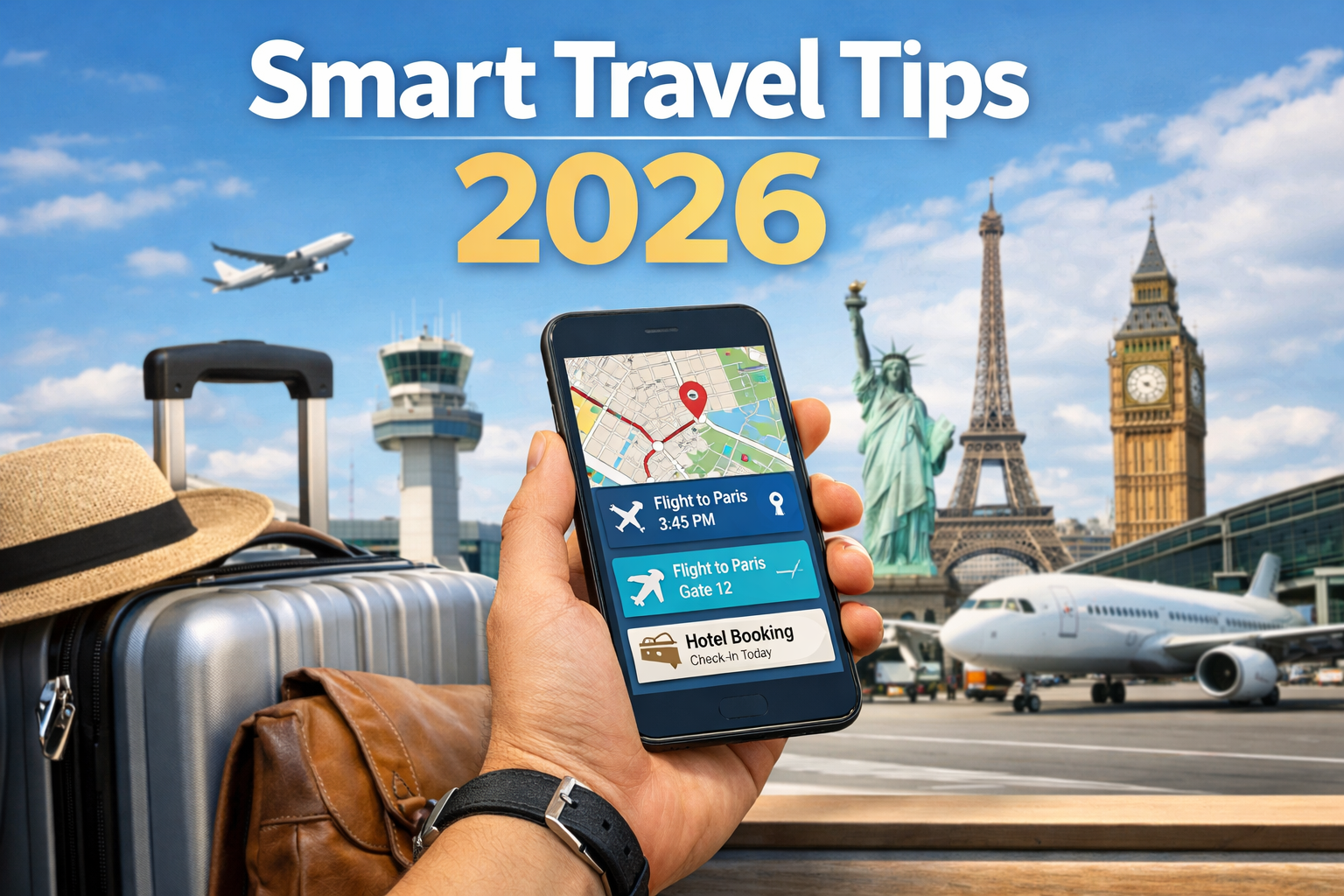
Smartphones have become essential travel companions. Travel apps now offer navigation, language translation, currency conversion, itinerary management, and local recommendations in one place.
Offline maps, real-time public transport updates, and digital city guides allow travelers to explore confidently without relying on constant internet access. In 2025, mobile apps replace bulky guidebooks and reduce travel-related stress significantly.
Contactless Payments and Digital Wallets
Payment technology has transformed travel experiences worldwide. Contactless payments, digital wallets, and mobile banking apps allow travelers to make secure transactions without carrying large amounts of cash.
In 2025, travelers use digital wallets for everything from transportation and accommodation to dining and entertainment. Currency exchange apps provide real-time conversion rates, helping travelers manage budgets accurately while avoiding hidden fees.
Smart Navigation and Location-Based Services
Navigation technology has become more precise and intelligent. GPS-based apps provide real-time directions, traffic updates, and alternative routes. Location-based services offer personalized recommendations based on where travelers are and what they enjoy.
In unfamiliar destinations, smart navigation tools help travelers discover nearby attractions, restaurants, and cultural sites. This technology enhances exploration while minimizing the risk of getting lost or missing important experiences.
Language Translation and Communication Tools
Language barriers are no longer major obstacles in 2025. Real-time translation apps and AI-powered language tools enable travelers to communicate effortlessly with locals. Voice translation, text recognition, and camera-based translation simplify interactions in foreign countries.
These tools enhance cultural exchange and allow travelers to navigate services, menus, and transportation systems with ease. Technology has made global travel more accessible to people of all backgrounds.
Smart Accommodation and Travel Experiences
Hotels and accommodations have embraced smart technology to improve guest experiences. In 2025, smart rooms allow guests to control lighting, temperature, and entertainment through mobile apps or voice commands.
Digital check-ins, keyless entry, and AI-driven concierge services reduce waiting times and enhance convenience. Travelers can customize their stays according to preferences, creating more comfortable and memorable experiences.
Health, Safety, and Travel Technology
Health and safety have become top priorities for travelers. Technology supports safer travel through digital health records, travel insurance apps, and real-time safety alerts.
Wearable devices monitor health metrics during trips, while travel apps provide updates on local regulations and emergency services. In 2025, travelers rely on technology to stay informed and prepared in any situation.
Sustainable and Smart Travel Choices
Technology also promotes sustainable travel. Smart apps help travelers choose eco-friendly accommodations, transportation options, and experiences. Carbon footprint calculators allow travelers to understand and reduce their environmental impact.
In 2025, sustainability-focused platforms encourage responsible tourism by connecting travelers with local businesses and ethical travel options. Smart travel is not just convenient but also conscious.
Social Media and Digital Storytelling
Social media continues to influence travel trends and experiences. Travelers use digital platforms to discover destinations, share experiences, and connect with global communities.
In 2025, technology allows travelers to document journeys in real time through high-quality photography, video, and live streaming. Digital storytelling enhances memories and inspires others to explore the world.
The Rise of Remote Work and Smart Travel
Remote work technology has blurred the lines between work and travel. Cloud-based tools, collaboration platforms, and high-speed internet enable professionals to work from anywhere.
Digital nomads rely on smart travel technology to balance productivity and exploration. In 2025, smart travel supports flexible lifestyles that combine career growth with global experiences.
Challenges of Technology-Driven Travel
While technology offers many benefits, it also presents challenges. Overreliance on digital tools can reduce spontaneity and personal interaction. Data privacy and cybersecurity concerns require travelers to use technology responsibly.
In 2025, smart travelers balance digital convenience with mindfulness, ensuring that technology enhances rather than dominates their travel experiences.
Conclusion
Technology has fundamentally changed the way we explore the world. In 2025, smart travel tools empower travelers to plan efficiently, navigate confidently, communicate effortlessly, and travel responsibly. From AI-powered planning and smart navigation to digital payments and sustainable choices, technology enhances every stage of the travel journey.
By embracing smart travel tips and using technology wisely, travelers can enjoy richer experiences, greater freedom, and deeper connections with the world. The future of travel is intelligent, personalized, and more accessible than ever before.